

No More Rough Edges: A Practical Guide to Eliminating Metal Burrs
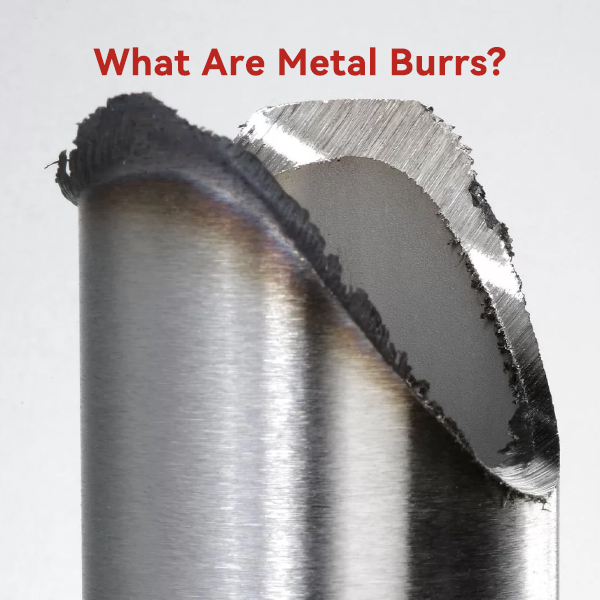
What Are Metal Burrs?
Metal burrs are unwanted raised edges or small pieces of material left on a workpiece after cutting, drilling, milling, punching, or grinding. They are extremely common in metalworking and manufacturing processes.
Although burrs may appear minor, they can cause serious functional, safety, and quality issues if not removed properly.
Why Eliminating Metal Burrs Is Critical
For manufacturers and industrial buyers, burr removal is not just about appearance—it directly impacts performance and cost control.
Key reasons to eliminate burrs:
Prevent injuries during handling and assembly
Ensure precise fit and tight tolerances
Improve surface finish and product quality
Reduce wear on mating parts
Meet industry and customer quality standards
In B2B production environments, consistent deburring leads to lower rejection rates and higher customer satisfaction.
Common Causes of Metal Burrs
Understanding how burrs form helps in choosing the right deburring solution.
Cutting and sawing operations
Drilling and hole-making processes
CNC milling and turning
Stamping and punching
Welding and thermal cutting
Different processes create different burr sizes, which is why multiple deburring methods are often required.
Effective Methods for Removing Metal Burrs
Steel Files – The Most Reliable Manual Deburring Tool
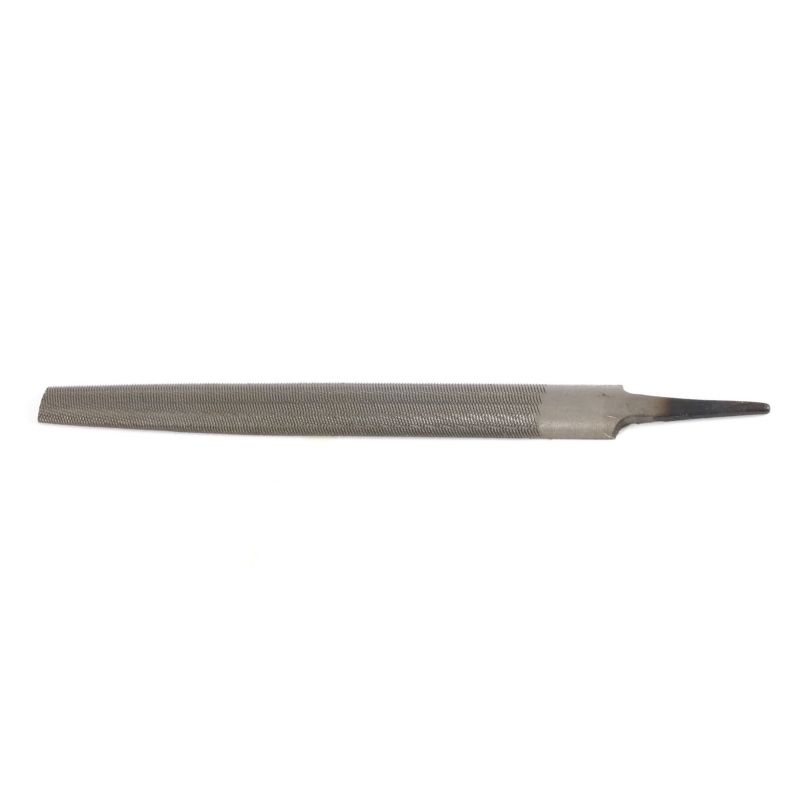
Steel files are one of the most widely used and cost-effective tools for removing metal burrs, especially for edge finishing and precision work.
Why steel files work well:
Excellent control for edge deburring
Suitable for flat, curved, and angled surfaces
No heat generation
Ideal for small batches and finishing work
Common file types for deburring include flat files, half-round files, and needle files.
2. Deburring Tools & Scrapers
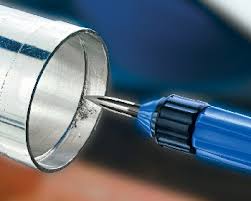
Hand deburring tools are designed specifically for removing burrs from holes and edges.
Best for:
Internal holes
Plastic and thin metal parts
Quick touch-up operations
3. Abrasive Tools
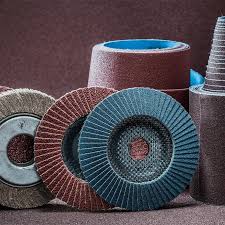
Abrasive belts, wheels, and flap discs remove burrs quickly but require experience to avoid over-grinding.
Considerations:
Faster material removal
Risk of altering part dimensions
Requires power equipment
4. Rotary Burrs
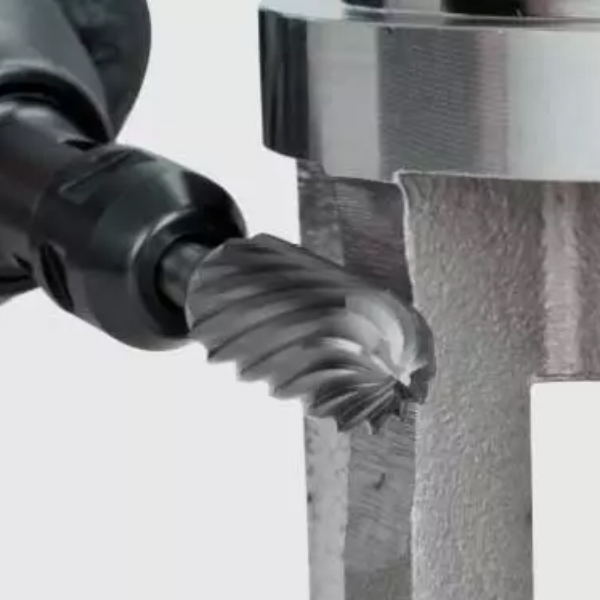
Carbide rotary burrs are used with die grinders for aggressive deburring and material removal.
Best applications:
Heavy burrs
Weld seam cleanup
Mold and die work
Choosing the Right Deburring Method
When selecting a deburring solution, consider:
Material type (steel, aluminum, stainless steel)
Burr size and location
Required surface finish
Production volume
Cost and labor efficiency
For many workshops, steel files remain the first-choice tool due to their balance of precision, control, and affordability.
Best Practices for Burr-Free Metal Edges
Deburr immediately after machining
Use the correct file cut (single or double cut)
Apply consistent pressure and proper filing angle
Inspect edges visually and by touch
Combine tools when necessary for optimal results
Recommended Supplier
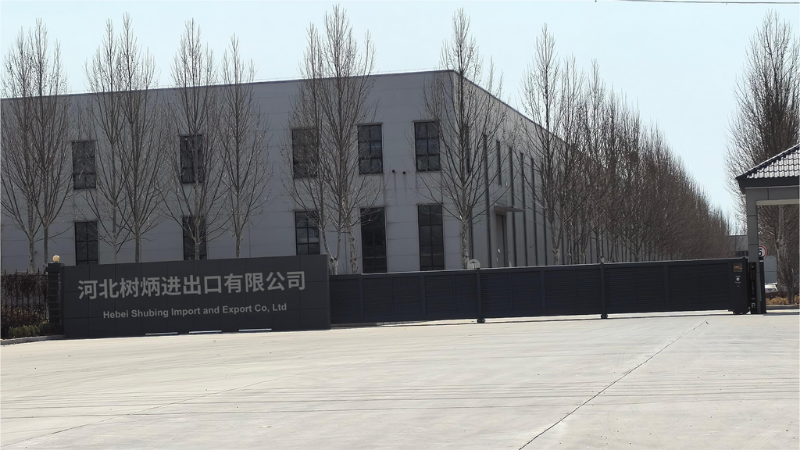
Pachatool is located in Xingtai, Hebei Province, China, with a factory covering an area of over 20,000 square meters. With more than two decades of professional tool experience, Pachatool Inc. has become a recognized leader in the manufacture of high-quality tools, including a wide range of hand tools, grinding tools and power tools.
📧 Contact: [email protected]
🌐 Website: www.pachatool.com
Pachatool provides OEM and wholesale steel files suitable for professional deburring and metal finishing applications.
FAQ: Metal Burr Removal
What tool is best for removing metal burrs?
Steel files are among the most effective tools for controlled, precise burr removal, especially on edges and flat surfaces.
Can burrs affect product performance?
Yes. Burrs can cause poor assembly fit, premature wear, and safety hazards.
Are steel files suitable for industrial production?
Yes. Steel files are widely used in industrial maintenance, small-batch production, and finishing operations.
Conclusion
Eliminating metal burrs is a critical step in achieving high-quality metal parts. By using the right tools—especially steel files—manufacturers can ensure smooth edges, accurate dimensions, and safer handling.
For B2B buyers and distributors, sourcing reliable deburring tools from experienced manufacturers ensures consistent quality and long-term value.