

Understanding Material Hardness: A Beginner’s Guide

Introduction:
Understanding hardness is crucial for selecting the right materials and tools in construction, manufacturing, and everyday applications. Knowing how hardness affects material performance can save time, money, and effort.
What is Hardness?
Hardness measures a material's resistance to deformation when a force is applied. It's an essential property determining how a material will wear and resist scratches.
Types of Hardness:
| Type | Description | Commonly Used For |
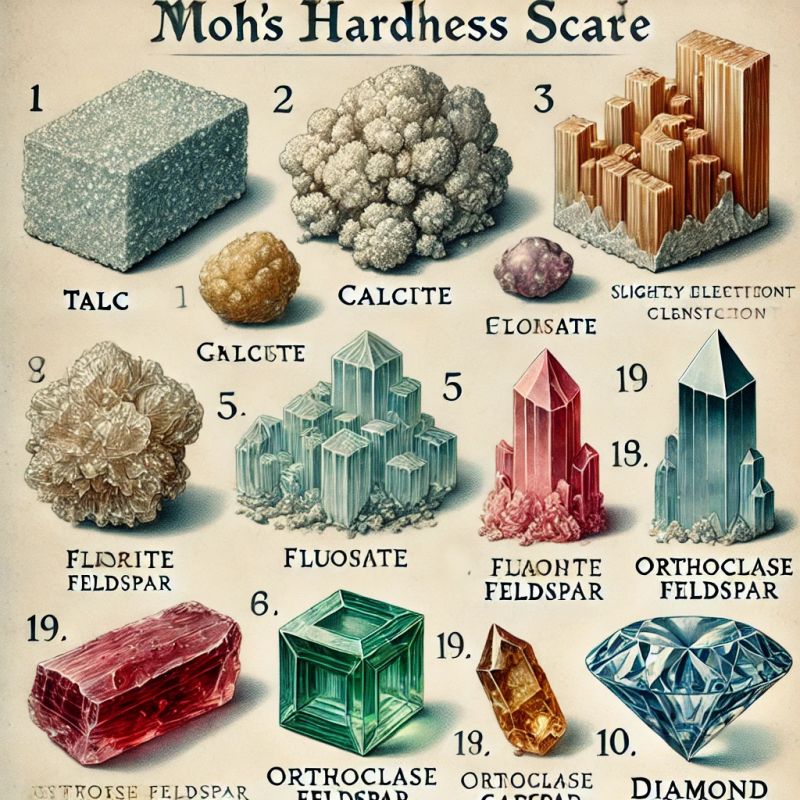
| Mohs Hardness | Ranks materials from 1 (talc) to 10 (diamond) based on scratch resistance. | Minerals, gemstones |
| Brinell Hardness | Measures hardness by indenting the surface with a hardened steel or carbide ball. | Metals, especially softer ones like aluminum |
| Rockwell Hardness | Uses a diamond cone or steel ball and measures the depth of the indentation. | Industrial metals like steel and iron |
Deep Dive: Measuring Hardness
Mohs Scale: Useful for comparing minerals. For example, gypsum has a Mohs hardness of 2, while quartz is a 7.
Brinell Test: Commonly used for metals; the hardness number is calculated by dividing the load applied by the surface area of the indentation.
Bonus Tips for Understanding Hardness:
Different hardness tests apply to other materials. For example, metals often use the Brinell test, while the Mohs scale is more common for minerals.
Hardness impacts durability, so selecting materials with appropriate hardness for the task is vital.
Key Takeaway:
Hardness is a fundamental property that influences material selection in various applications. Understanding the different ways to measure hardness can help in choosing the right material for specific needs.