

The 2025 Tungsten Price Surge: Unraveling the Perfect Storm Behind the Historic Rally
In 2025, the global tungsten market saw an unprecedented price surge—starting with a steady climb in early spring, escalating to a full rally by autumn, with key products up 50% to nearly 100% year-to-date. This surge stemmed from a confluence of tightening supply, surging demand, policy interventions, shifting international dynamics, and speculative capital. Below is a breakdown of the key drivers.
Supply: A Perfect Storm of Constraints
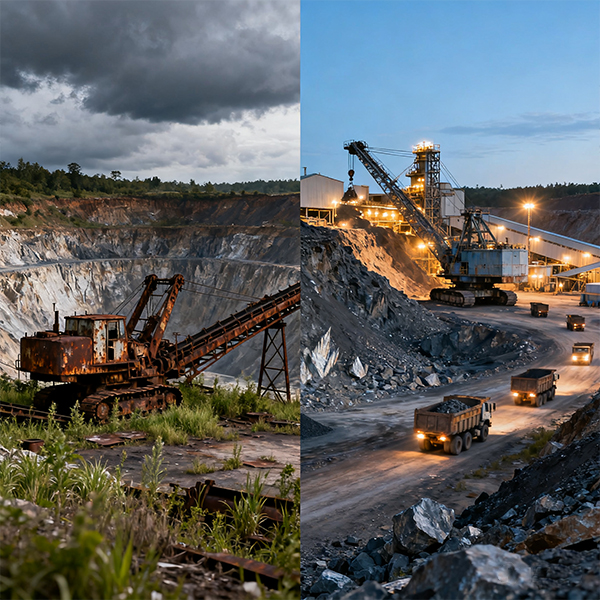
Global tungsten supply faced severe constraints, led by China (83% of global production) which cut 2025 first-batch tungsten concentrate quotas to 58,000 tons (-6.45% YoY), with Jiangxi (major producer) seeing 10% cuts. Environmental pressures shut small mines, pushing domestic mine operating rates below 35% by mid-2025 (weekly output down 200 tons). Long-term ore quality decline (China’s average grade: 0.42% in 2004 → 0.28% in 2024) further strained supply.
International mines (Vietnam, Portugal, Canada) faced similar grade/infra issues; new projects (Spain, Australia, South Africa) had funding/technical delays. By September 2025, spot inventories dropped to <15 days of supply (normal: 30-45 days).
Demand: Explosive Growth Across Critical Sectors
Demand surged amid supply constraints, driven by key sectors:
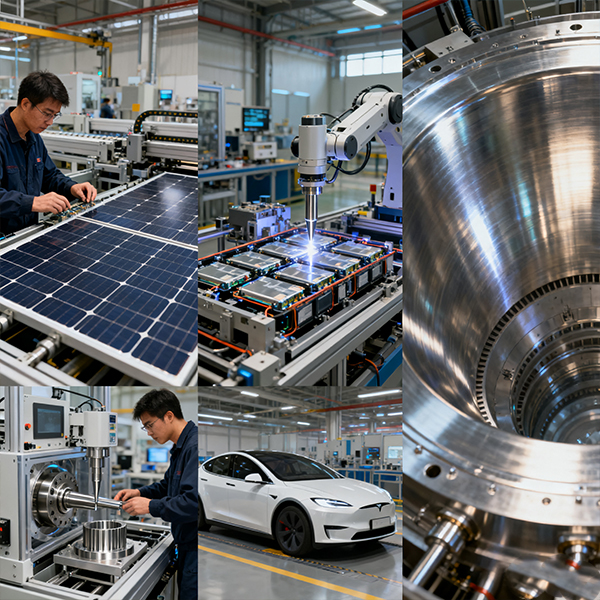
Renewables (PV): Tungsten wire penetration in PV wafer cutting jumped 20% (2024) → 60% (2025) (thinner/larger wafers), creating >4,500 tons of global demand (+198% YoY).
New Energy Vehicles: Tungsten use in battery cathodes/cutting tools rose 22% YoY.
Aerospace/Defense: China’s hard alloy market hit 41.5 billion yuan (+7.8% YoY), with aerospace applications up 9.4%.
Nuclear Fusion: Projects (France’s WEST, China’s BEST) drove demand to >5,500 tons (+25% YoY), projected to become a $10B market by 2030.
Policy Interventions: Strategic Resource Management
Policies amplified price gains:
China: Implemented "one order, one certificate" export controls for 25 tungsten products (e.g., APT), widening domestic-foreign price gaps; cracked down on smuggling and offered up to 50M yuan in subsidies for high-value hard alloy firms.
EU: Launched a 100,000-ton strategic tungsten reserve (Critical Raw Materials Act), with first 50,000 tons consuming 15-20% of 2025 global circulating supply—targeting high-purity powders/alloy for fusion/military use.
International Market Dynamics: A Geopolitical Chess Match
Geopolitics reshaped supply chains:
EU buyers shifted to African/Russian sources to reduce China dependency, but alternative supply couldn’t scale—European spot premiums hit 8%, Rotterdam concentrate prices at 2018 highs.
U.S. maintained 50% tariffs on Chinese tungsten iron, fragmenting markets.
By August 2025, European APT prices reached $485-503/metric ton unit (+49.7% YoY), creating destabilizing arbitrage opportunities.
Speculative Capital: Amplifying the Price Surge
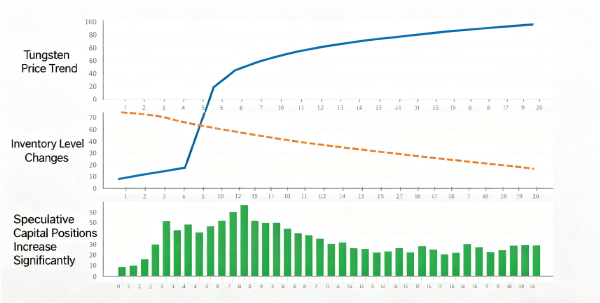
Low inventories (APT smelter stocks <200 tons vs. normal 600 tons; hard alloy firms held 12 days of raw materials) attracted speculative capital:
Domestic tungsten futures saw 12% daily growth in long positions (mid-August), with volumes hitting 150,000 lots.
Physical players stockpiled (low financing costs → "hold and wait" strategy), creating a self-reinforcing cycle: price hikes → more stockpiling → tighter supply → higher prices.
The Road Ahead: Sustained Tightness on the Horizon
Analysts expect elevated prices to persist—key constraints (quota limits, declining ore quality, slow new mines, rising strategic demand) won’t reverse short-term. While speculative unwinding may cool prices slightly, tungsten’s strategic role in clean energy/advanced manufacturing ensures prolonged tightness.
Market focus is on improving recycling rates and developing alternative materials for non-critical uses. For users, the surge is a call to rethink supply chains; for producers/investors, it highlights critical materials’ role in energy transition and geopolitics.